Create Data Import Mapping Templates from Files in Business Central
Business Value: Streamline Data Import Configuration
The Create Mapping From File feature transforms how you configure data imports for Business Central from Excel, CSV, variable and fixed text files. By importing your actual data file and configuring field mappings while viewing real data content, you eliminate guesswork and ensure accurate data transformation from the first attempt.
Key Business Benefits:
- Reduce configuration time by 70% with a visual mapping interface
- Eliminate data import errors through real-time preview and validation
- Accelerate Business Central implementation with faster data file integration setup
- Increase user adoption with an intuitive, file-based configuration approach
- Support multiple file formats, including Excel, CSV, variable and fixed text files
Data Import Mapping Template Features & Capabilities
Configure comprehensive data import mappings for Business Central with support for Excel, CSV, variable and fixed text files:
- 🔍 Visual Data File Preview: Import and preview your actual file content during configuration (Excel, CSV, text)
- 🎯 Real-Time Field Mapping: Create new mappings or edit existing ones whilst viewing live data
- ⚡ Interactive Data Visualisation: See field mappings in real-time with your actual data content
- ✅ Pre-Import Validation: Test and validate mappings before applying them to prevent data errors
- 🤖 AI-Powered Mapping Suggestions: Use Copilot to suggest optimal field mappings automatically
- 📄 Multiple File Format Support: Handle Excel (.xlsx), CSV (.csv), variable text (.txt) and fixed-width text files

Step-by-Step Data Import Mapping Configuration Process
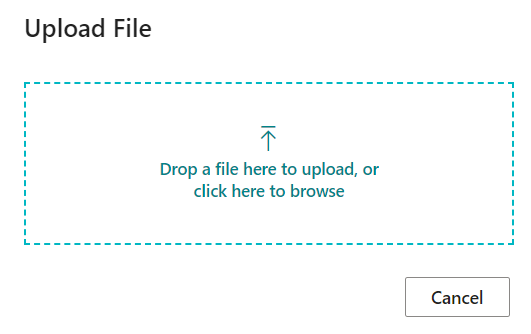
Step 1: Upload Data File for Business Central Import
Navigate to the Data Import Mapping Template Card and select Update Template From File. Upload your data file (in Excel, CSV, variable, or fixed text format) to initiate the visual mapping configuration process.
Step 2: Configure Data Import Parameters
The interactive setup interface provides three integrated sections for comprehensive data file mapping configuration:
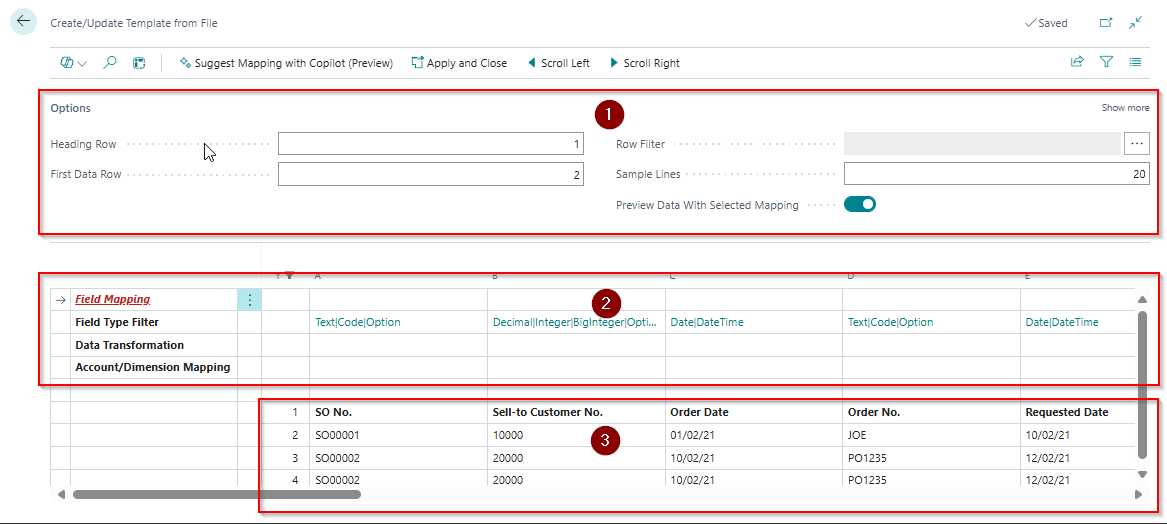
Data File Structure Configuration
Configure how Business Central interprets your file (Excel, CSV, or text):
- Heading Row Configuration: Define which row contains column headers (typically row 1) - displayed in bold in preview
- Data Start Row: Specify the first row with actual data (usually row 2 for files with headers)
- Advanced Row Filtering: Create filters to include or exclude specific rows during import processing
- Performance Optimisation: Control preview rows for optimal performance with large data files
- Live Mapping Preview: Toggle real-time preview of data transformation and field mapping results
- File Format Settings: Configure delimiters for CSV files or field positions for fixed-width text files
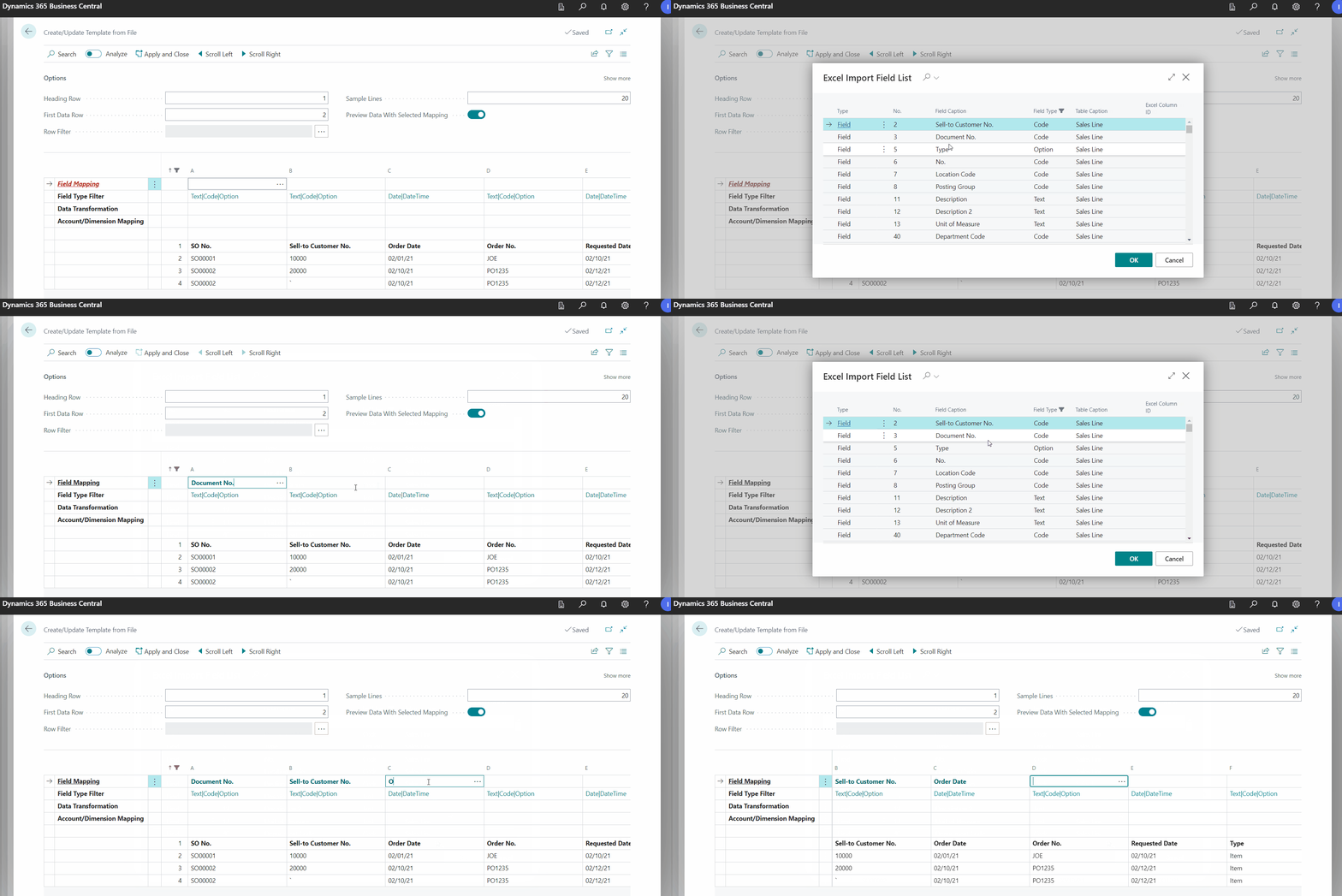
Business Central Field Mapping Configuration
Map data file columns to Business Central fields with visual data context:
-
Intelligent Field Mapping: Select target Business Central fields using a searchable lookup or direct field name entry
-
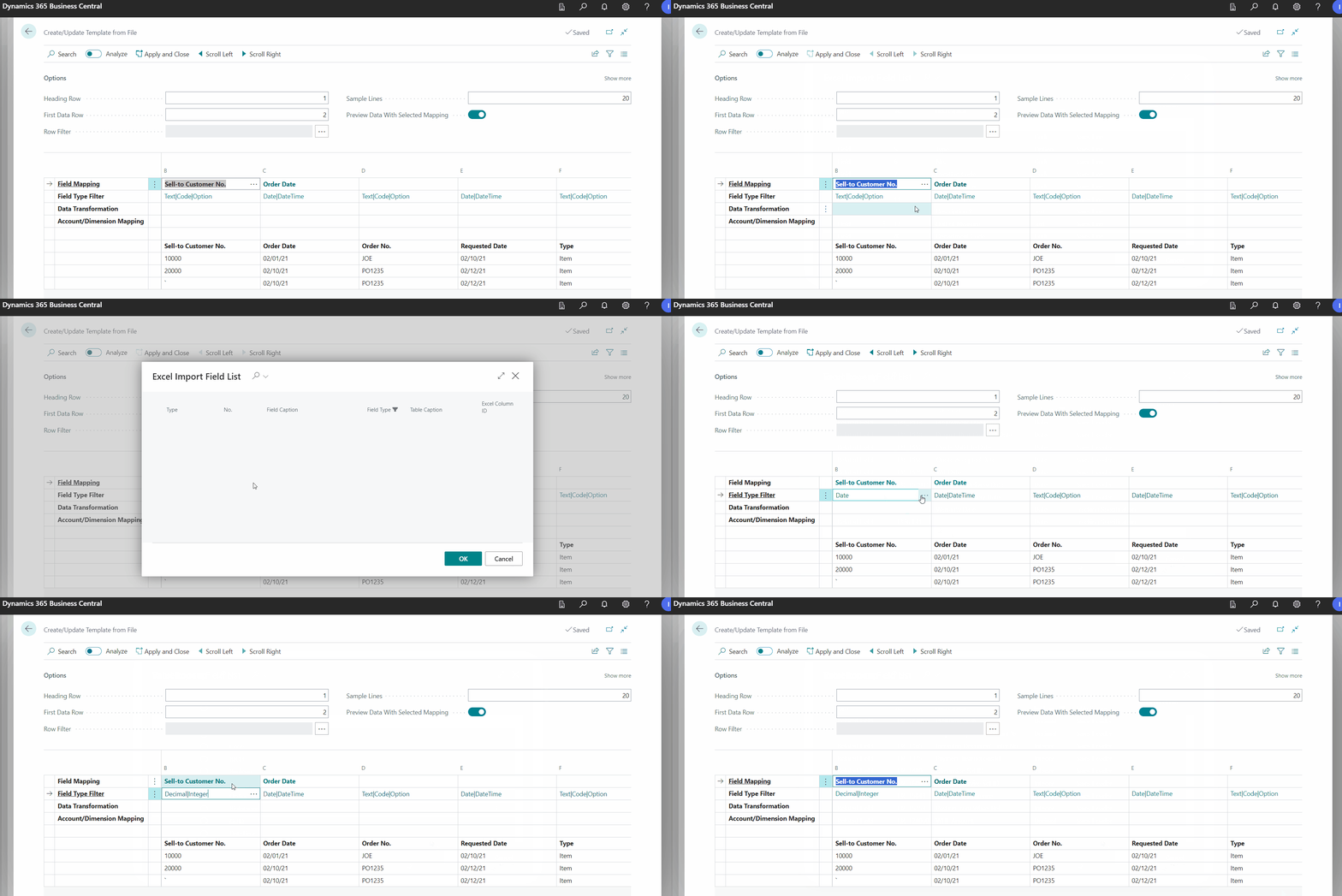
Smart Field Type Filtering: Filter available fields by data type with automatic suggestions based on file content
-
Advanced Data Transformation: Configure transformation rules for data conversion, formatting, and manipulation
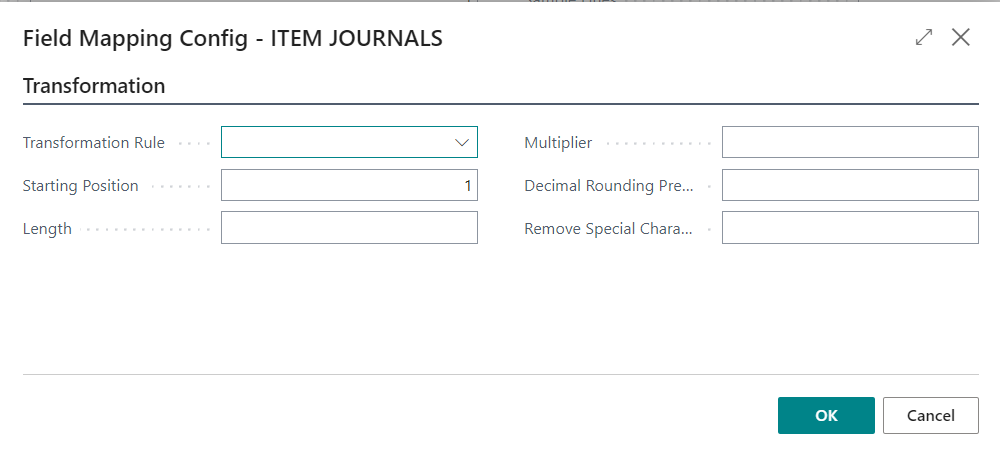
-
Account & Dimension Mapping: Configure mappings for the chart of accounts codes and dimension values for financial data imports
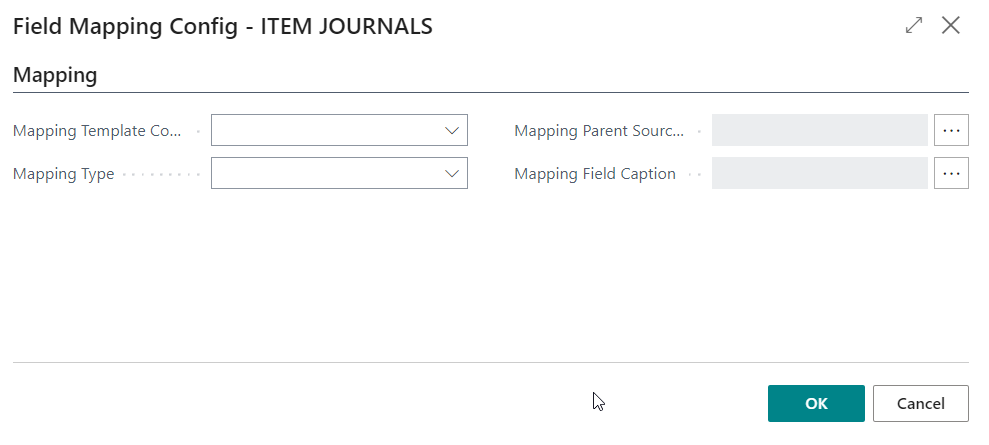
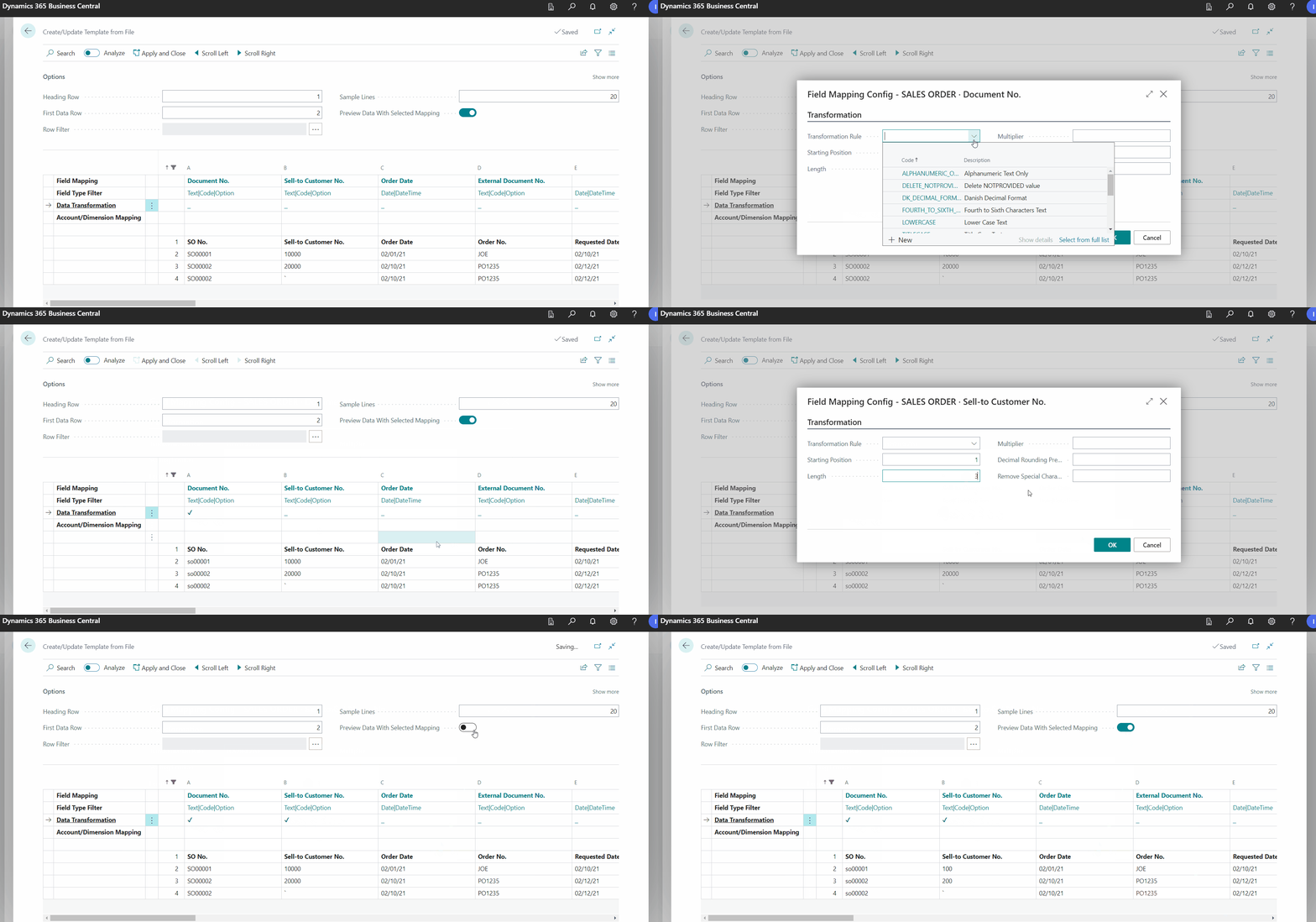
Real-Time Data Preview
Experience live preview of your data file content with immediate feedback on mapping and transformation configurations:
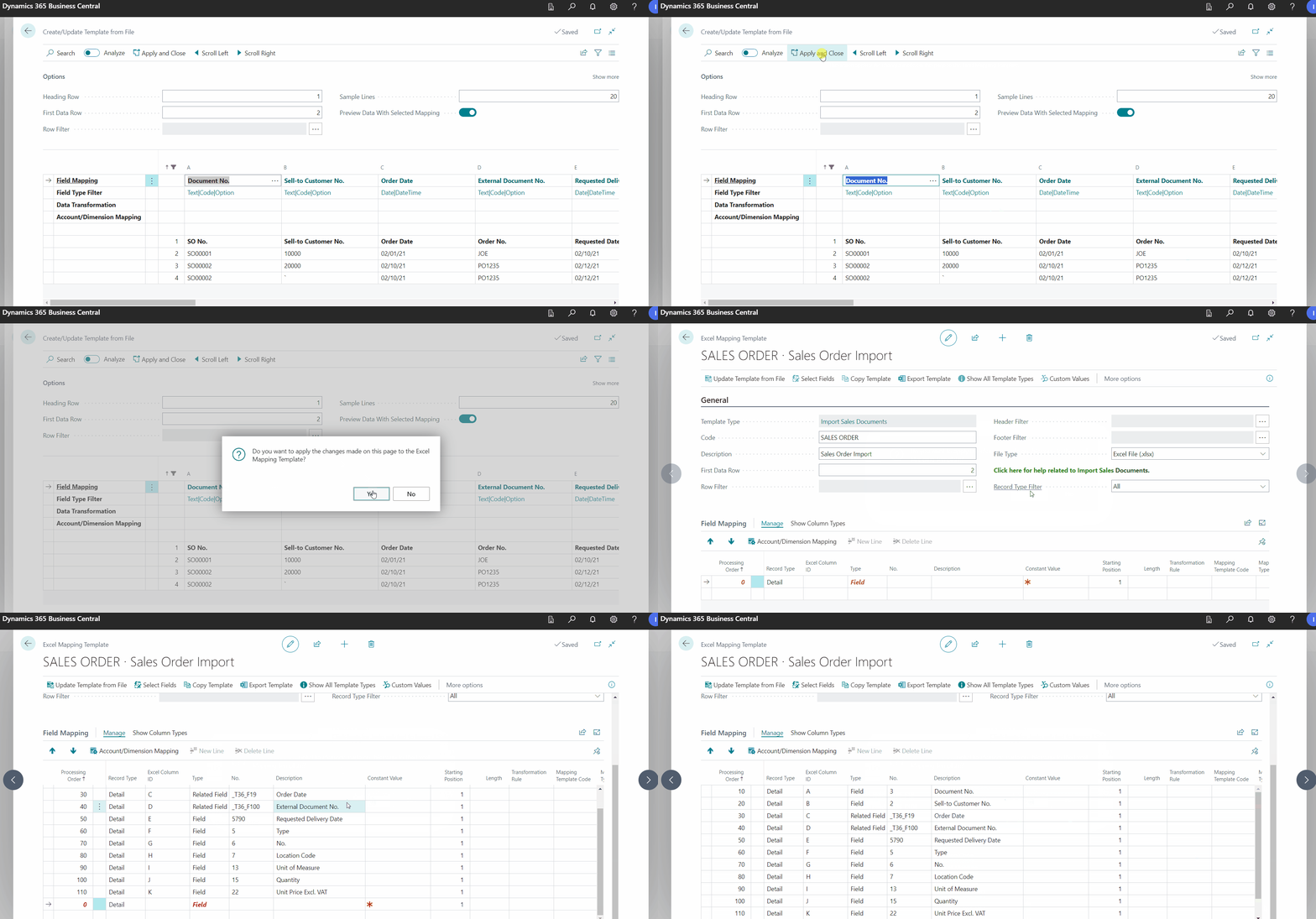
Step 3: Apply and Save Data Import Mapping Configuration
Finalise your data import mapping template by using the Apply and Close action to save all configuration settings for future data imports.
Why Choose Visual Data Import Mapping for Business Central?
Transform your data import experience with these competitive advantages:
- ✅ Visual Accuracy: See exactly how data maps to Business Central fields before import
- ✅ Real-Time Validation: Get immediate feedback on mapping changes and data transformation
- ✅ Error Prevention: Eliminate costly data import errors through visual validation
- ✅ Accelerated Setup: Reduce mapping configuration time by up to 70%
- ✅ Data Integrity: Ensure correct data transformation with comprehensive testing capabilities
- ✅ Multi-Format Support: Handle Excel, CSV, variable and fixed text files with one interface
AI-Powered Data Import Mapping with Business Central Copilot
Accelerate your data import mapping configuration with intelligent AI suggestions powered by Microsoft Copilot. This cutting-edge feature analyses your data file structure (Excel, CSV, or text) and automatically suggests optimal Business Central field mappings.
How Copilot Data Import Mapping Suggestions Work
- 🚀 Activate AI Assistance: From the mapping interface, select Suggest Mapping with Copilot (Preview)
- 🔒 Transparent Data Privacy Process: Every Copilot interaction includes a comprehensive consent workflow: - 📊 Data Visibility: View exactly what data will be analysed by AI services - ✏️ Privacy Control: Edit or remove sensitive information before AI analysis - 🗑️ Row Management: Delete rows containing confidential data from the analysis scope - 👁️ Preview-Only Processing: Only visible preview data is transmitted after your modifications - ✋ Explicit Consent: Require explicit user agreement before any data transmission - 🔍 Complete Transparency: Full visibility into what information is shared with AI services
- 🧠 Advanced AI Analysis: Copilot intelligently analyses data file column headers and data patterns
- 💡 Smart Field Suggestions: Receive optimised Business Central field mappings based on AI intelligence
- ⚡ Quick Application: Apply suggestions instantly with the Use it button for immediate configuration
Data Privacy & Security in Copilot Data Import Mapping
Industry-leading data protection with complete user control over AI interactions:
- 🔐 Explicit Data Control: See and edit exactly what data is shared with AI services
- 📝 In-Dialogue Editing: Modify sensitive information directly within the consent interface
- 🎯 Selective Privacy: Remove specific rows or columns containing confidential data
- 👀 Preview-Only Transmission: Only consent dialogue preview data is transmitted to AI
- 🔄 Session-Based Consent: Fresh consent required for each AI interaction
- 🚫 Single Use Case: The only Excellent Importer feature using actual file data with AI
- 🛡️ User-Controlled Sharing: Complete control over when and what data is analysed
- ✅ Informed Consent: Transparent agreement process before any external data transmission
What Copilot Analyses for Optimal Data Import Mapping
Advanced AI intelligence considers multiple data points for accurate mapping suggestions:
- 📋 Semantic Column Analysis: Intelligent interpretation of data file column headers and their business meaning
- 🔍 Data Pattern Recognition: Analysis of data types, formats, and structures in each column
- 🎯 Business Context Awareness: Understanding of import type context (General Journal, Sales Orders, Item Master, etc.)
- 🔗 Relationship Intelligence: Recognition of field relationships and Business Central best practices
- 📊 Historical Learning: Pattern recognition from common Excel structures and naming conventions
Benefits of AI-Powered Data Import Mapping
Maximise efficiency with intelligent mapping automation:
- ⚡ Instant Configuration: Complete mapping suggestions generated in seconds
- 🧠 Context-Aware Matching: AI understands business relationships and data context
- 📈 Pattern Learning: Recognition of industry-standard data file structures and conventions
- 💼 Reduced Manual Effort: Eliminate time-consuming manual field-by-field mapping
- 🎯 Smart Starting Points: Intelligent defaults that can be refined as needed
- 🔄 Continuous Improvement: AI learning improves suggestions over time
For optimal AI mapping results, ensure that your data files (Excel, CSV, or text) have clear, descriptive column headers that accurately reflect the Business Central field names with realistic data. You can always review and customise AI suggestions before applying them to your mapping template.
Enterprise Control & Compliance
Administrative governance ensures organisational compliance and security:
Administrators can entirely disable Copilot mapping features through the Copilot & Agent Capabilities configuration page. This provides:
- 🛡️ Security Compliance: Full control over AI feature availability for security-sensitive organisations
- 📋 Policy Enforcement: Alignment with internal data sharing and privacy policies
- 🔒 Data Governance: Prevention of any external AI service interaction when disabled
- 👥 User Management: Organisational control over AI-powered functionality access
- ⚖️ Regulatory Alignment: Support for compliance with industry-specific data handling requirements
When Copilot is disabled, users retain full access to manual mapping capabilities whilst preventing any data transmission to external AI services, ensuring complete organisational control over data handling policies.